
BIM
One coordinated model, every discipline.
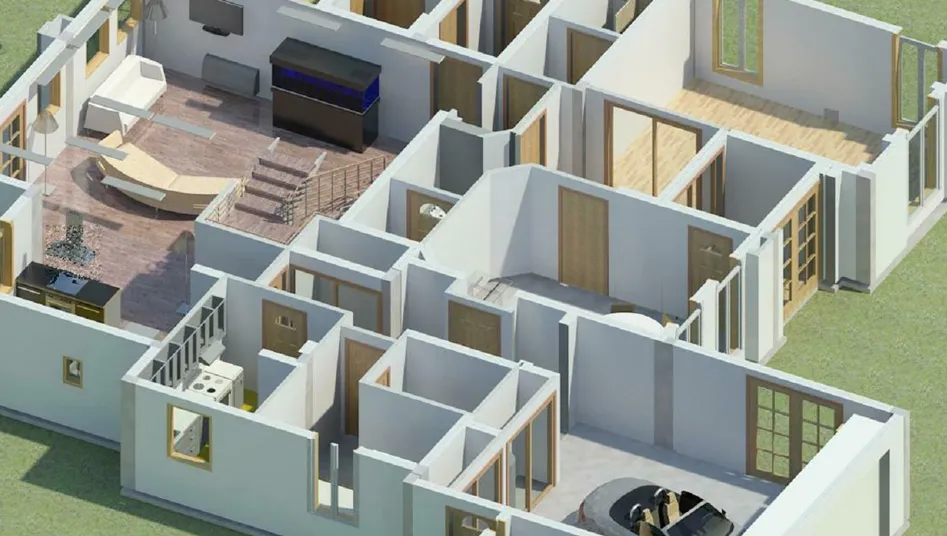
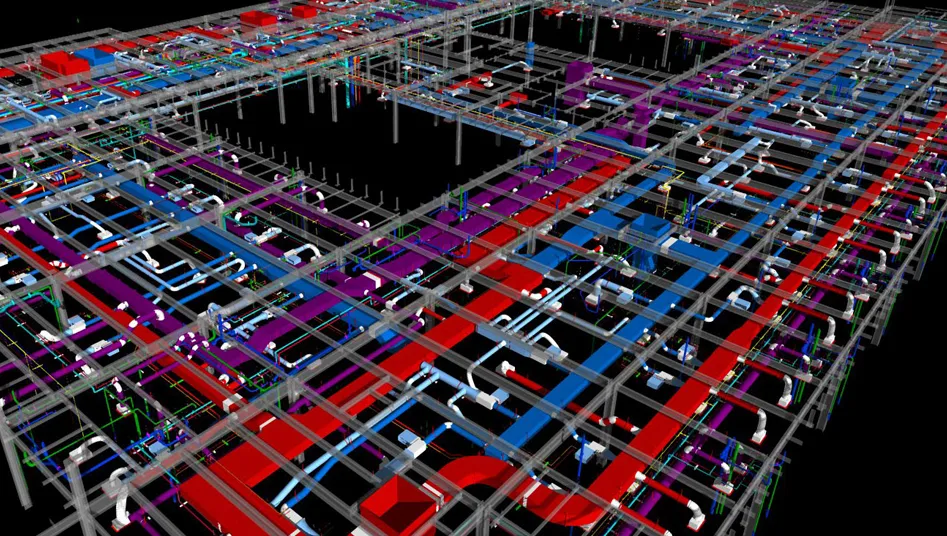
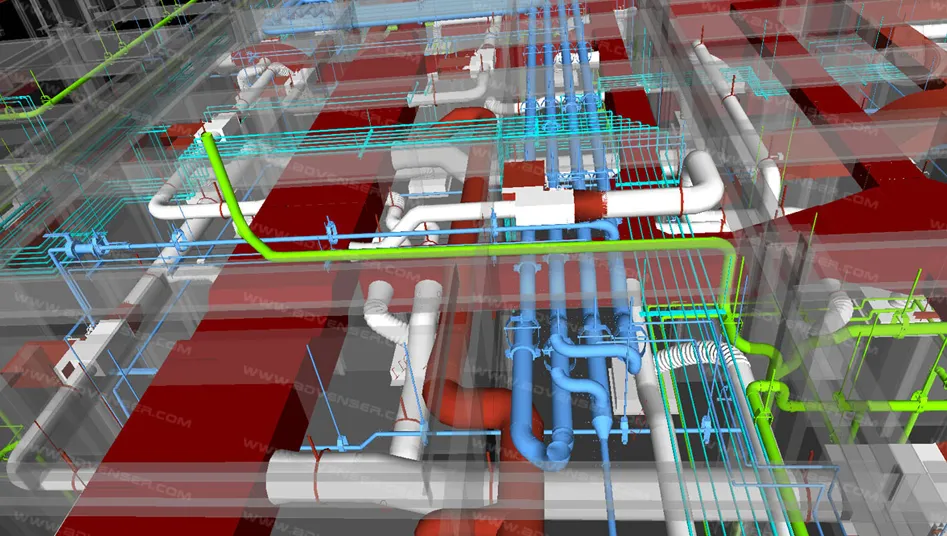
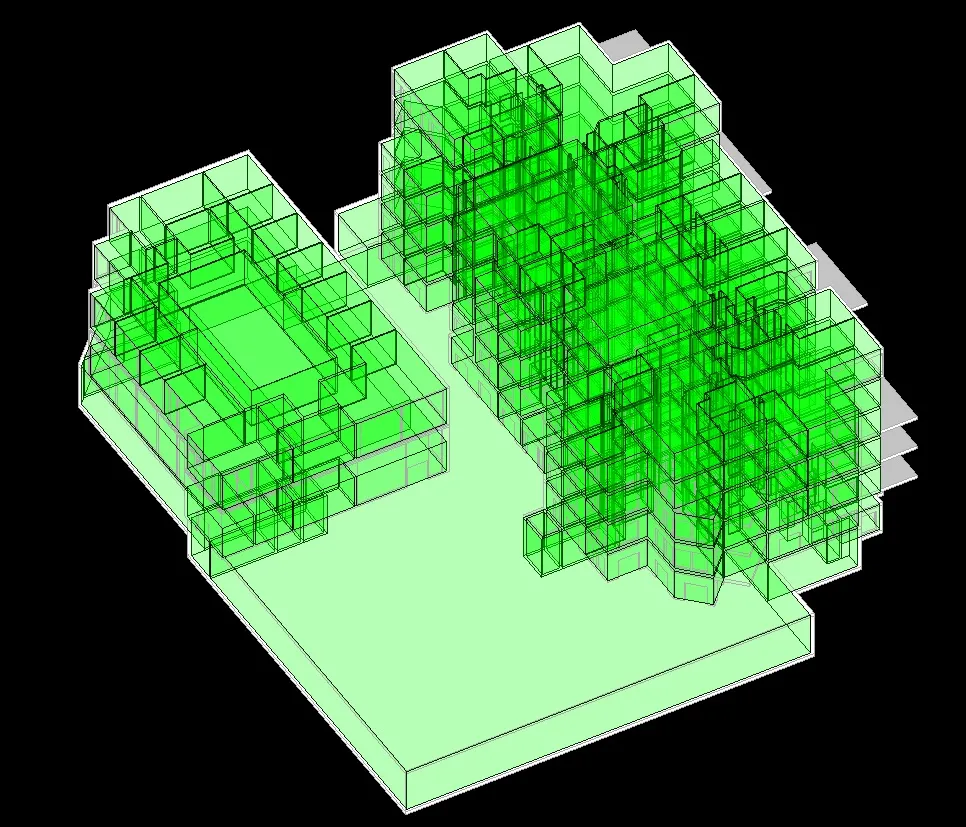
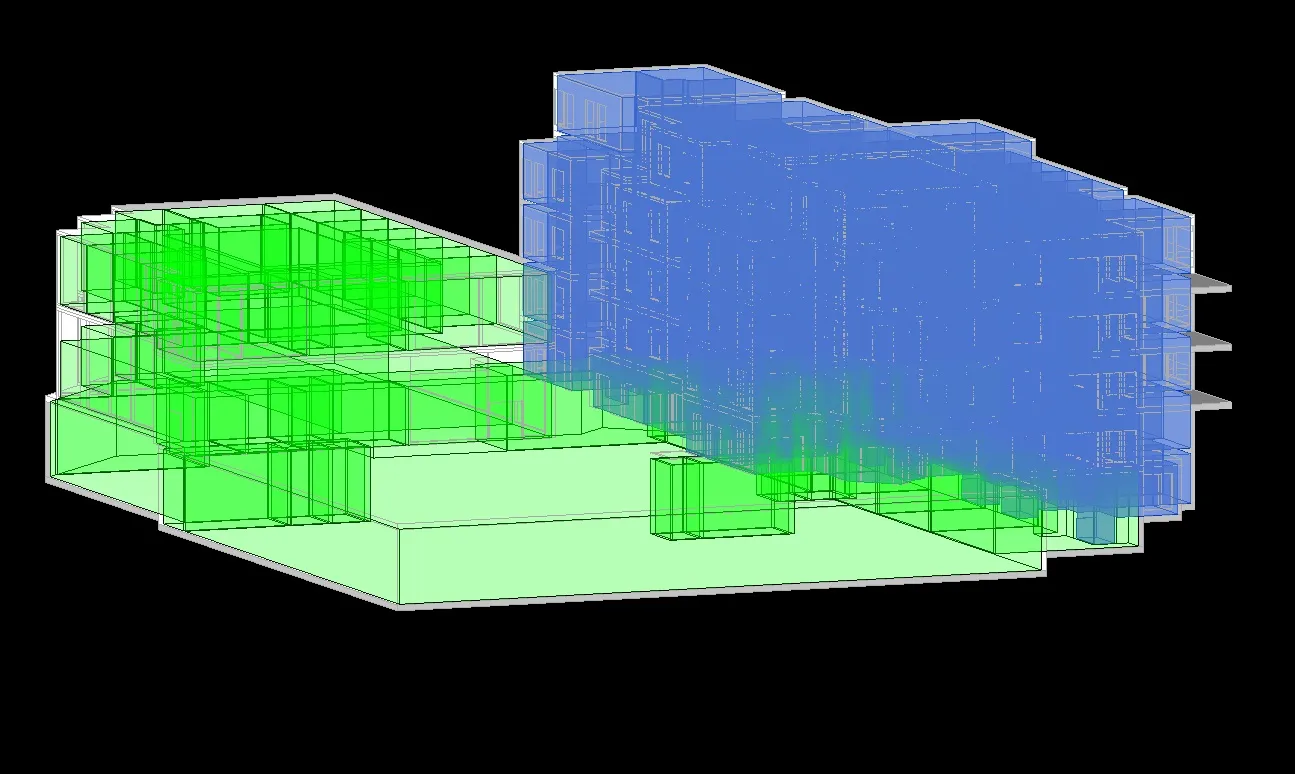
Building Information Modeling is the process of generating and managing building data using three-dimensional, real-time, dynamic building modeling software to create coordinated, consistent information — enabling faster decision-making, better documentation, and the ability to estimate building performance before ground is ever broken.
Why BIM matters on our projects
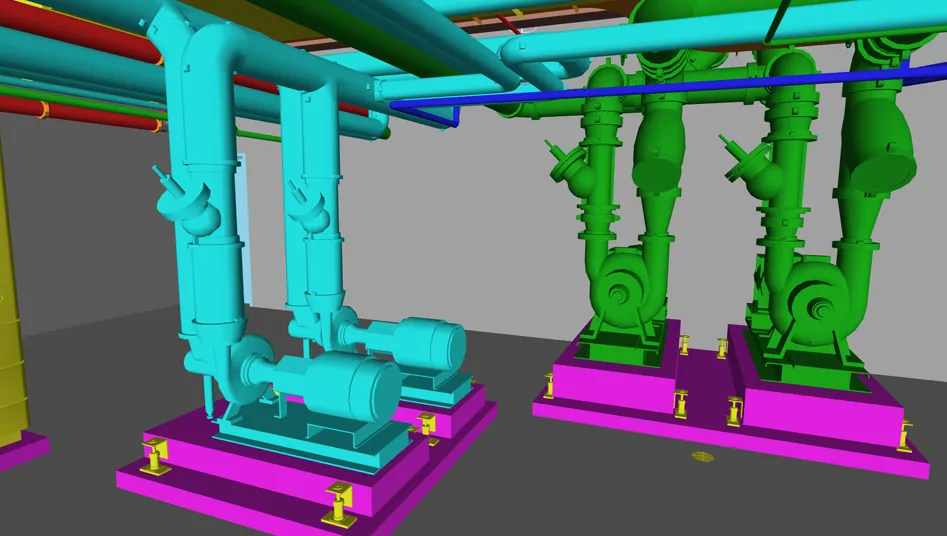
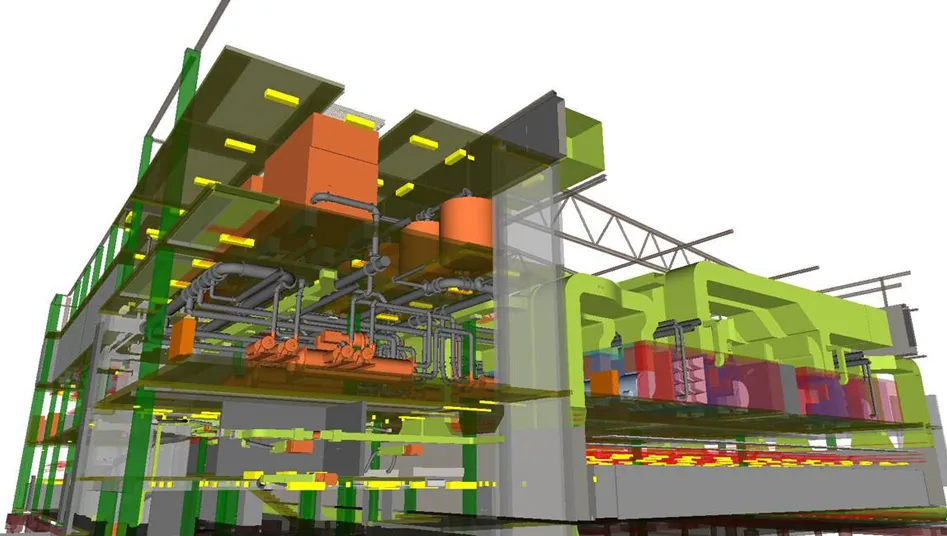
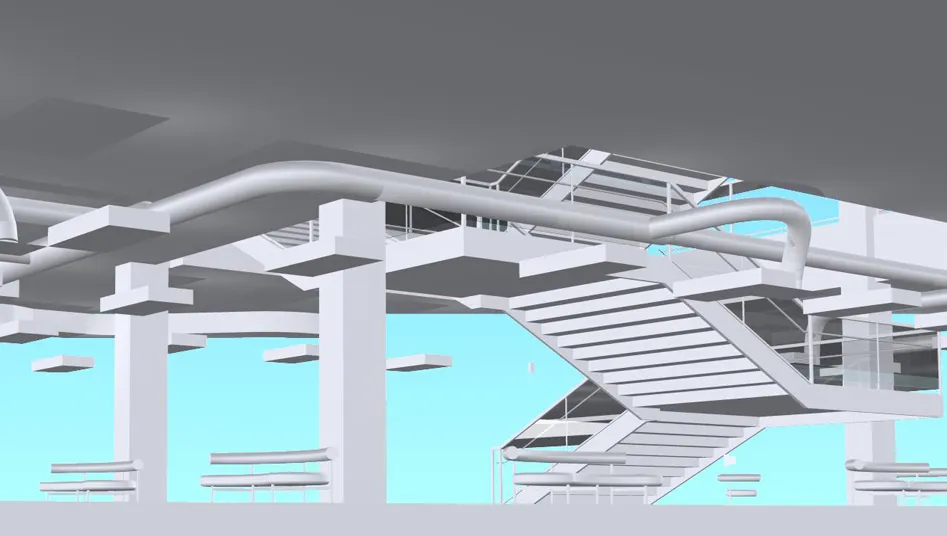
BIM is more than 3D visualization. The coordinated data model lets every discipline — mechanical, electrical, plumbing, structural — work from the same source of truth. Conflicts between systems are identified in the model rather than discovered in the field, where they cost time and money to resolve. Quantities, schedules, and performance estimates flow directly from the same model, so what was designed is what gets built.
For owners, BIM extends past construction. The same model that coordinated the trades during build-out becomes a living record of the facility — useful for renovations, tenant fit-outs, and ongoing operations long after handover.